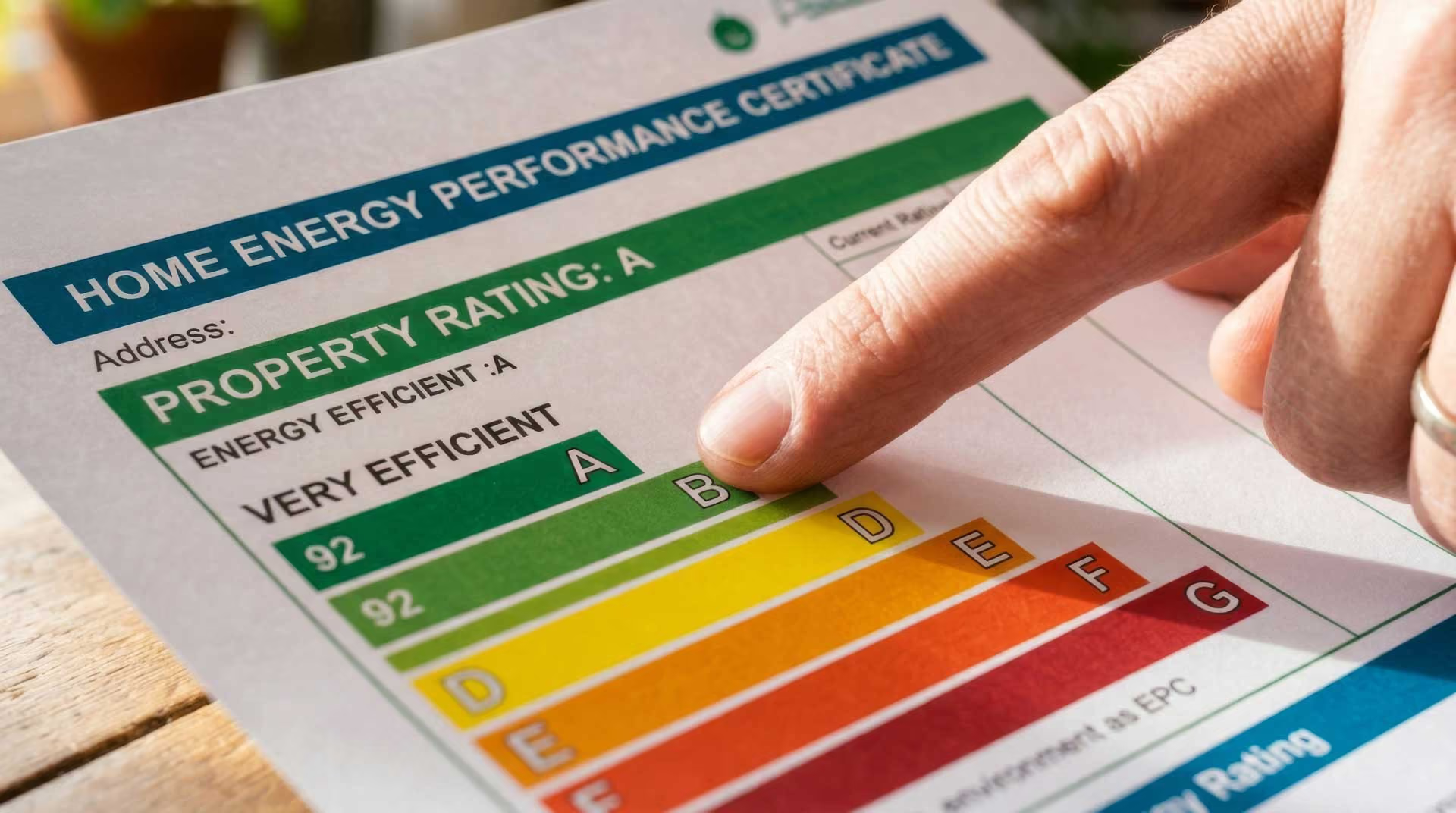
Understanding Your Energy Efficiency Rating
Every EPC provides an energy efficiency rating on a scale from A to G:
- A – Most energy efficient
- G – Least energy efficient
This rating is calculated using a number of factors, including the property's heating system, hot water provision, lighting, insulation and ventilation. It is designed to indicate the estimated cost of running the home in terms of energy consumption.
The type of heating system installed in your property plays an important role in determining your EPC rating. If the original heating system has been replaced, this can have a positive or negative impact depending on the new system.
Properties heated by mains gas will often achieve a higher energy rating than those heated solely by electricity. This is because mains gas is currently cheaper per unit of energy (kWh) than electricity, which can positively affect the property's overall EPC score.
Extensions & Property Improvements
If your property has been extended or altered, this can affect its Energy Performance Certificate (EPC) rating. Extensions increase the overall floor area, and improvements or changes made since the property was built—such as conservatories, garage conversions or other additions—may also influence the final rating.
Breaking Down Your Property's Energy Performance
As part of your Energy Performance Certificate (EPC), individual features of your property—such as walls, floors, lighting, and more—are assessed and given an energy rating. Ratings range from Very Good (most energy efficient) to Very Poor (least energy efficient). Some features, such as floors or secondary heating systems, may not receive a rating.
These ratings are based on:
- Energy efficiency – how cost-effective the feature is to run.
- Environmental impact – the amount of CO₂ emissions it produces.
- For hot water systems, the assessment also considers heating performance and water responsiveness.
- As part of your Energy Performance Certificate (EPC), individual features of your property such as walls, floors, lofts, lighting, and more are assessed and given an energy rating.

Why do some ratings say ‘Assumed’?
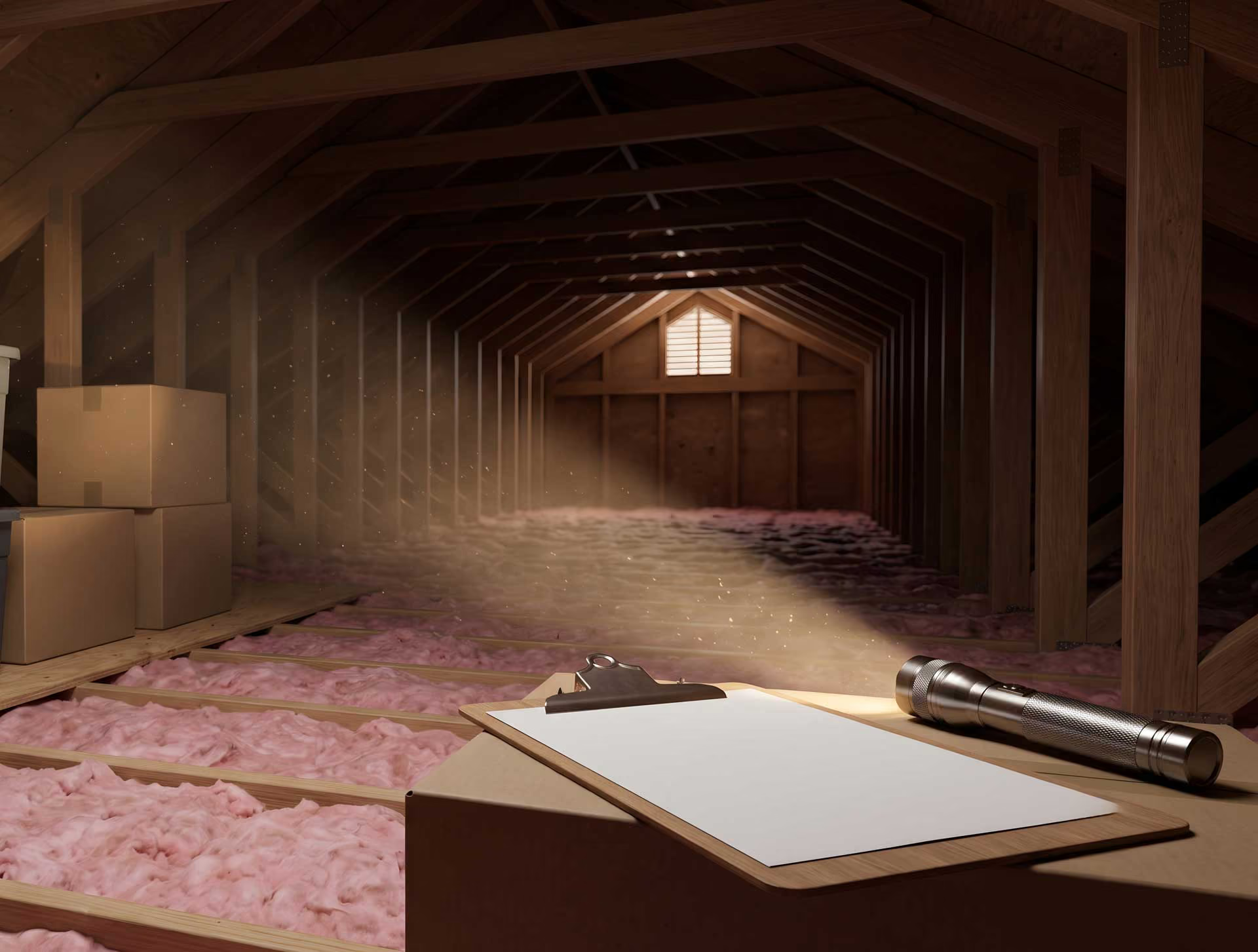
You may notice that some features are marked as ‘Assumed’. This means the assessor used standard assumptions based on factors such as the property's age, construction type, and whether insulation is likely to be present when the information couldn't be confirmed during the inspection.
Environmental Impact
Your EPC also includes an Environmental Impact Rating, which measures the property's estimated carbon dioxide (CO₂) emissions on a scale from A (lowest impact) to G (highest impact).
This rating is based on standard assumptions about occupancy and typical energy use. As a result, it may differ from your actual energy consumption, which depends on how the property is used by the people living there.